
As the pace of the green transition accelerates, understanding Ireland’s climate and biodiversity targets is becoming increasingly important for employers, professionals and anyone working across renewable energy, environmental management and sustainable infrastructure.
These commitments provide a clear roadmap for Ireland’s transition to a low-carbon, climate-resilient future. Delivering them will require coordinated action across policy, investment, infrastructure, innovation and workforce development, with each playing a vital role in turning ambition into action.
The challenge now is whether Ireland can move quickly enough to achieve these goals and ensure the workforce has the skills and expertise needed to support the transition.
Ireland’s Climate Mitigation Targets in Brief
Ireland has committed to becoming a climate-neutral, climate-resilient and environmentally sustainable economy by 2050 through the Climate Action and Low Carbon Development (Amendment) Act 2021. The most significant milestone is 2030. By then, Ireland aims to:
- Reduce overall greenhouse gas emissions (GHG) by 51% compared with 2018 levels
- Generate 80% of electricity from renewable sources, including specific capacities for onshore wind (9 GW), solar (8 GW), and offshore wind (at least 5 GW)
- Significantly reduce its non-ETS emissions (agriculture, transport, residential, commercial, and waste) by 42% compared to 2005 levels
- Operate within legally binding five-year carbon budgets that limit national emissions.
Each major sector now has emissions ceilings that define how much it can emit between now and 2030 including a 75% reduction for electricity, 50% for transport, and 25% for agriculture. These aren’t aspirations, they’re statutory targets designed to keep Ireland on track towards net zero.
For employers, this means investing also in workforce capability. For professionals, it highlights the growing importance of continuous learning as technologies, regulations and industry best practice continue to evolve.
Biodiversity is Central to the Green Transition
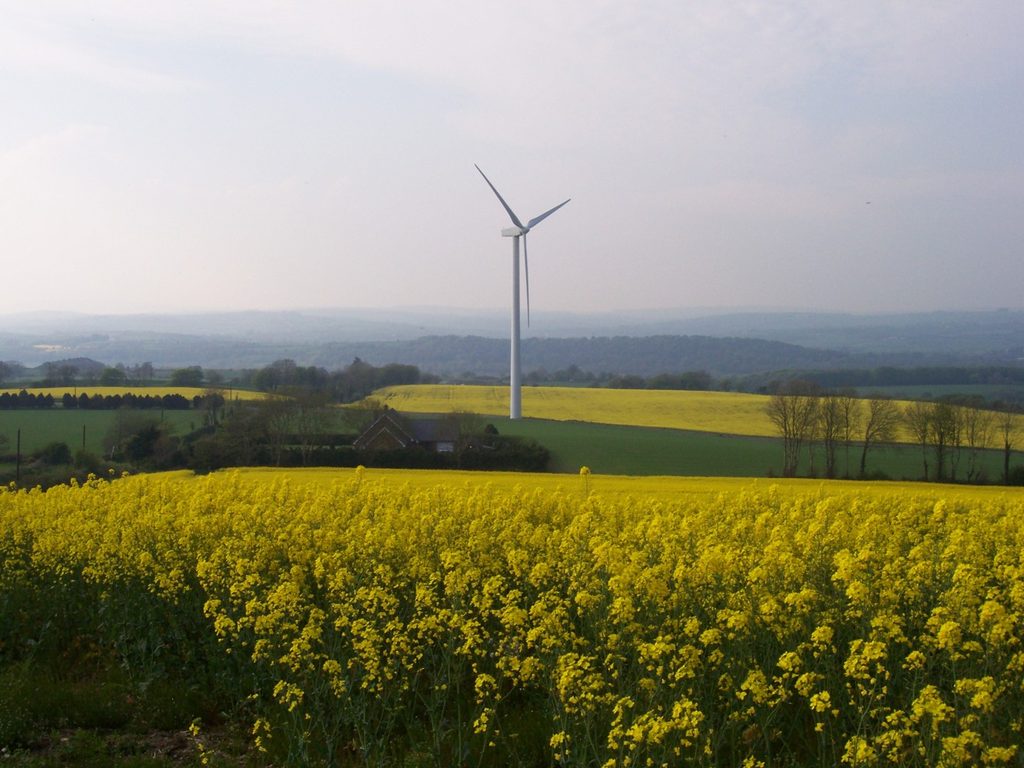
Climate change often dominates the conversation, but biodiversity is equally critical, and the two are closely interconnected. Climate change is one of the biggest drivers of biodiversity loss, while healthy ecosystems play an essential role in storing carbon, reducing flood risk and improving resilience to climate impacts. Addressing one challenge without the other isn’t enough.
Ireland’s Fourth National Biodiversity Action Plan (NBAP) 2023–2030, sets ambitious goals, including:
- Designating and managing 30% of Ireland’s marine area as Marine Protected Areas (MPAs) by 2030
- Aligning with EU law to restore at least 20% of degraded ecosystems by 2030, with a focus on wetlands, rivers, and forests
- Ensuring at least 30% of habitats and species currently in unfavourable status show a positive trend or reach favourable status by 2030
- Rehabilitating 33,000 hectares of peatlands previously used for energy production by 2026
- Restoring 300 km of rivers to a free-flowing state by 2030
As environmental expectations continue to evolve, organisations increasingly need expertise in ecology, environmental planning and biodiversity management alongside technical renewable energy skills.
Actions Taken to Achieve Climate and Biodiversity Goals
Governance and Investment
- Climate Action Plans (CAP): The government publishes annual updates (e.g., CAP24, CAP25) that provide a roadmap of actions across all sectors
- Funding: Budget 2025 allocated €951 million in carbon tax revenues for climate projects. Additionally, the Infrastructure, Climate and Nature Fund commits €3.15 billion for environmental projects between 2026 and 2030
- Climate Adaptation: Ireland published its second statutory National Adaptation Framework (NAF) in June 2024 to increase resilience against extreme weather events like floods.
Sectoral Implementation
- Electricity: Rapid expansion of renewables has led to wind energy becoming Ireland’s largest source of clean electricity. Major interconnectors (e.g., Celtic Interconnector to France) are under development to enhance grid stability
- Buildings: The Home Energy Upgrade Loan Scheme was launched to support retrofitting 500,000 homes by 2030
- Agriculture: The €1.5 billion ACRES scheme incentivises farmers to adopt biodiversity-friendly practices. The National Biomethane Strategy aims to diversify the sector
- Biodiversity: The Peatlands Climate Action Scheme has already rehabilitated over 18,000 hectares as of late 2024
Where does Ireland stand today?
There is genuine progress. However, according to The Environmental Protection Agency (EPA) and European Commission, Ireland is currently not on track to meet its legally binding 2030 climate targets.
Despite encouraging progress in areas such as renewable electricity, Ireland remains off track to meet several of its commitments. Current projections suggest the country will fall significantly short of its target to reduce greenhouse gas emissions by 51%, while challenges persist across transport, agriculture and land use.
Ireland is also expected to miss its EU Effort Sharing Regulation (ESR) target, and the first carbon budget has left little room for further emissions. On the biodiversity front, around 80% of protected habitats remain in unfavourable or declining condition, highlighting the scale of restoration still required.
Together, these findings reinforce the need for faster implementation, coordinated action across sectors and continued investment in the people, infrastructure and innovation needed to deliver the transition.
Building Renewable Energy While Protecting Nature and What Does This Mean for the Workforce
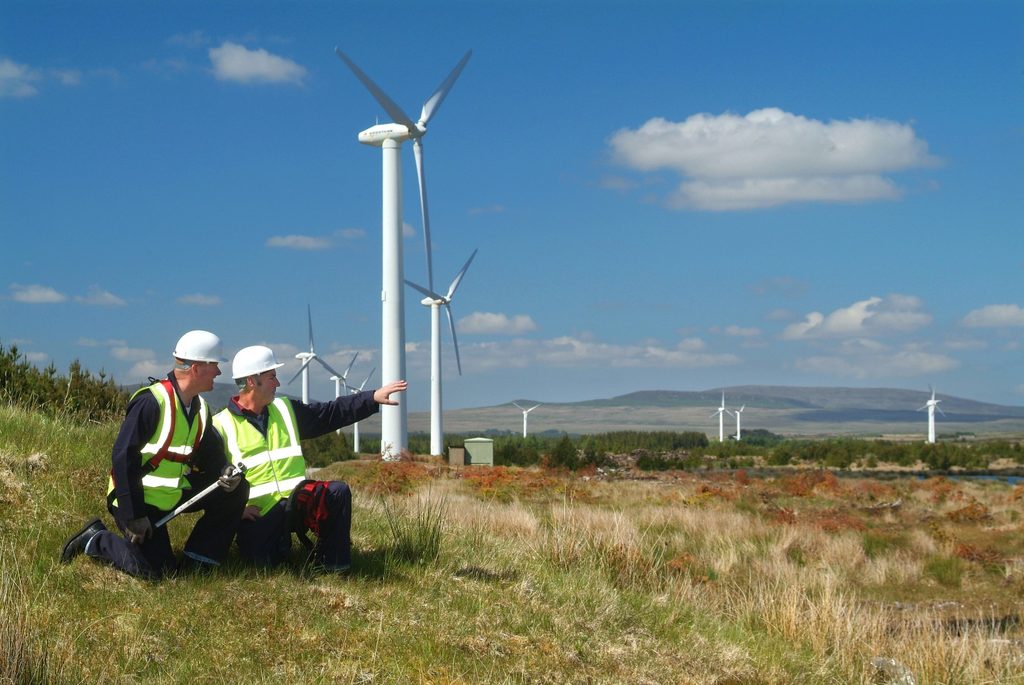
One of the biggest misconceptions is that renewable energy development and biodiversity protection are competing priorities. Responsible renewable energy projects are designed to balance both objectives. Throughout the planning, construction and operation of a wind farm, for instance, environmental specialists work alongside engineers and project teams to identify potential impacts, avoid sensitive habitats where possible and implement mitigation measures throughout the project’s lifecycle.
A key part of this process is the Environmental Impact Assessment (EIA), which evaluates how proposed developments may affect biodiversity, water, landscapes, cultural heritage and local communities before construction begins. These assessments help ensure projects are developed responsibly while supporting Ireland’s climate ambitions.
Every renewable energy project brings together professionals from a wide range of disciplines, including environmental consultants, ecologists, planners, hydrologists, GIS specialists, engineers, project managers and environmental managers. Together, they help ensure projects are not only technically successful but also environmentally responsible.
Looking Ahead
As Ireland’s renewable energy sector continues to evolve, so too does the demand for specialist knowledge. Upskilling and continuous professional development will be essential to ensuring Ireland has the expertise needed to deliver both its climate ambitions and biodiversity commitments.
At Green Tech Skillnet, we work with industry partners to provide practical, industry-led training that supports professionals at every stage of the renewable energy project lifecycle.
This autumn, professionals interested in environmental planning can develop their expertise through our Environmental Impact Assessment (EIA) for Onshore Wind Farms micro-credential, which begins in October, exploring environmental legislation, assessment methodologies and best practice for renewable energy developments.
We’re also planning to deliver our Landscape and Visual Impact Assessment (LVIA) programme again later this year (dates to be confirmed). As Europe’s first accredited LVIA micro-credential, the programme is designed to support professionals involved in landscape assessment, environmental planning and the consenting process for renewable energy projects.
For those looking towards Ireland’s growing offshore wind sector, the Skillnet Offshore Wind Academy offers a range of specialist micro-credentials that complement these skills. Upcoming programmes include:
- Introduction to Geographical Information Systems (GIS) – developing spatial analysis skills for offshore wind projects.
- Introduction to Project Management for Offshore Projects – focused on managing complex offshore developments.
- Introduction to MetOcean for Offshore Wind – understanding the oceanographic and meteorological data that underpins offshore wind planning.
- Ornithology for Offshore Wind and JNCC Marine Mammal Observation (MMO) – supporting professionals involved in environmental assessment and ecological monitoring.
- Fundamentals of Offshore Wind Energy – providing a multidisciplinary overview of the offshore wind project lifecycle for professionals transitioning into the sector.
Together, these programmes reflect the breadth of expertise required to deliver Ireland’s renewable energy ambitions. Because achieving Ireland’s climate and biodiversity targets isn’t about a single discipline or technology. It’s about bringing together the right people, with the right skills, at the right time.
References:
- Climate Action and Low Carbon Development (Amendment) Act 2021
- Climate Action Plan 2025 (CAP25)
- 4th National Biodiversity Action Plan (NBAP) 2023–2030
- Climate Change Advisory Council – Carbon Budgets
- Environmental Protection Agency – Greenhouse Gas Emissions Projections
- European Commission – Nature Restoration Regulation
- Sustainable Energy Authority of Ireland – Home Energy Upgrade Supports
- Department of Agriculture, Food and the Marine – ACRES Scheme
- RTE: Wind Energy to power 660,000 homes lost in six months

